The skills of project planning, management and delivering might look easy at the face value but trust me, it is not. And, when you are trying to do something at the grassroots level and almost on your own, there are a lot of other factors which plays an important part.
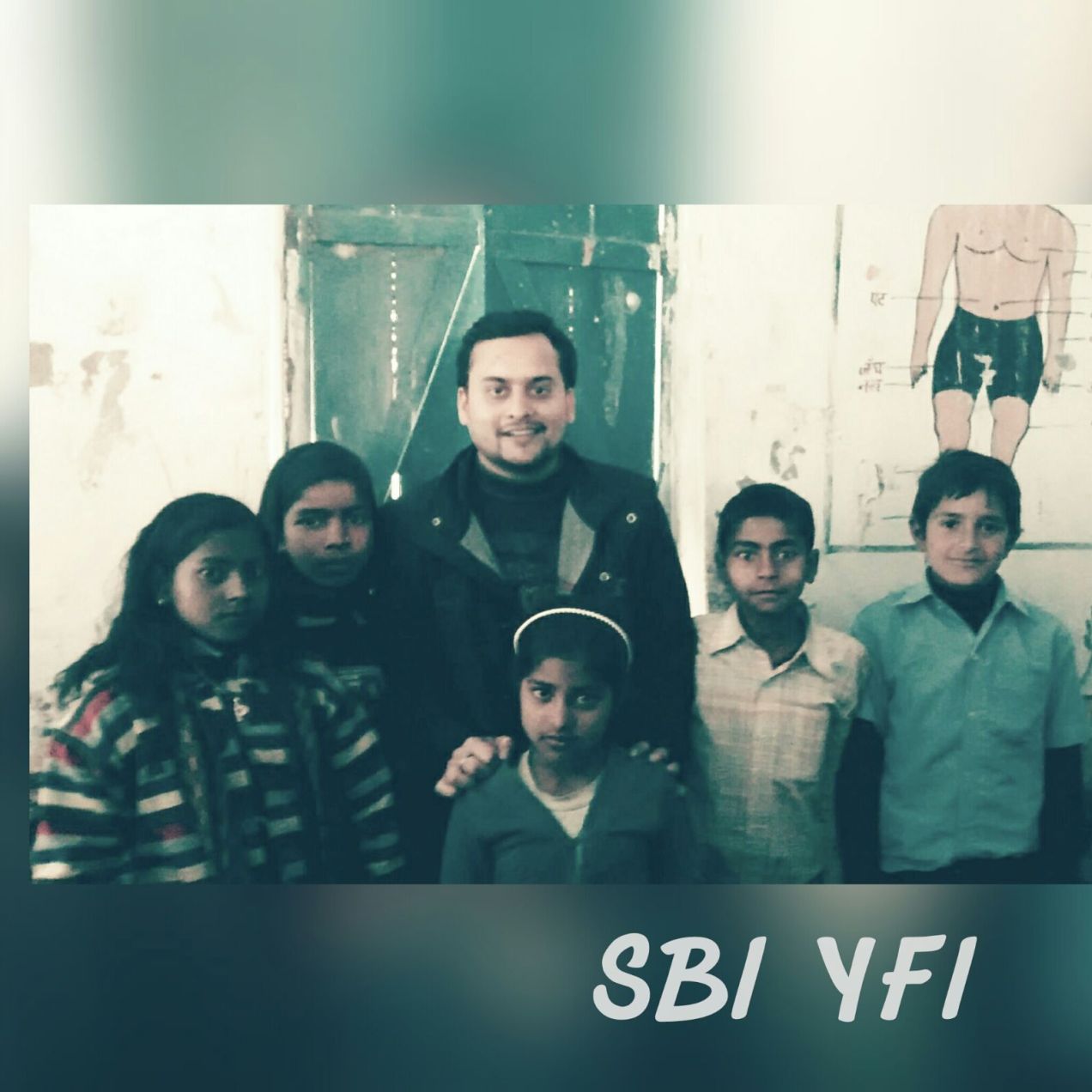
Over the course of previous posts, you might have seen me interacting with the kids during the storytelling sessions. Well, this is not the only thing I do and there is a reason why I chose to do what I am doing right now.
When I went from one school to another during the inception months of the fellowship, there were a lot of areas I found needed attention. For one, almost all the Govt. Schools I visited, the toilets are constructed in every school. Good? Well, these toilets are hardly used by the students for which they were constructed in the first place. In almost all the schools, the toilets were locked and the teachers had the keys to themselves. When I asked the reason for it, one of the teachers told me that the students lack good toilet practices and hence do not know how to use the toilets without making them dirty. This was just one part of the problem. There was no place where students could wash their hands before/after eating or relieving themselves. Ironically, the NGO which I am working with recently distributed soap and buckets so that the students could use them. Just for the sake of whom?
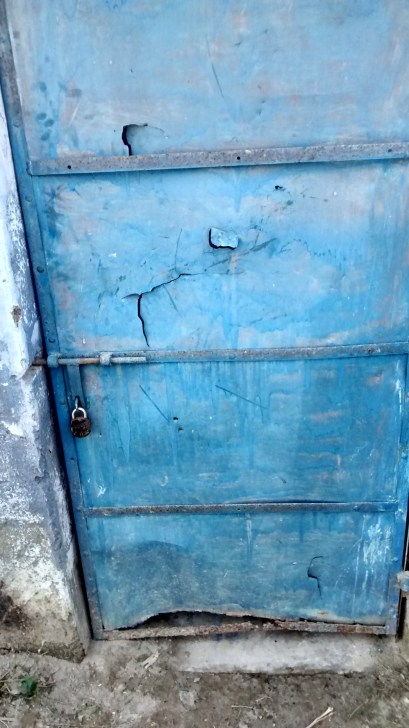
The Locked Toilets!
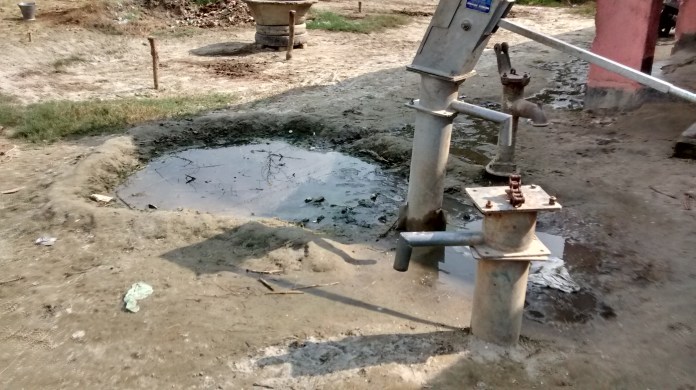
Drinking Water!
This is just one of the major issues I observed. Others were the lack of teachers, lack of quality teachers, huge number of students per class, lack of infrastructure and so on. I realized that I will never be able to make a change which I want to see within a span of 13 months of the fellowship. I had to think of a way where my skills can merge with the aspirations of the students and school. Here comes the storytelling part of my project. Everyone loves a good story and if a good story leaves with a message to these young students, it might make a difference in 1 out of 100 students. Isn’t that worth it?
So, I started to observe what message the stories might give? Toilet practices, importance of washing hands, self cleanliness were the starting subjects. More and more I observed I happened to find myself in one of the training rooms where a trainer was giving a talk on Empathy as a Life Skill. He goes on to include washing hands as another important Life Skill. It made me Google about these skills and their importance. Apart from the importance of reading, writing and arithmetic skills, there are other skills which people need in order to be visible in the world; communication skills, decision making skills, emotional skills, conflict resolution skills and skills needed knowing how to ask for help. I had found some more subjects for the stories. Other skills which I found various stories can provide are listening skills, handling responsibilities, importance of failures in life, gender sensitisation and so on.
Now I had the idea of what the stories are going to be about. During the course of my storytelling sessions in various schools, I happened to meet one teacher who told me something about Bihar which further strengthened my idea of why teaching these skills are needed here and everywhere else. He told me about how most of the girls in the villages always eat their meals after their brothers have eaten and how the same thinking is reflected in other domains of life too. The girls facing such a treatment at their homes always consider themselves secondary to boys in different walks of life as well. These girls need to know about the likes of Kalpana Chawla, Kiran Bedi, Indira Gandhi and Neeraja Behnot. Woman Power as a Life Skill?

The next Who?
I went ahead with the idea and started conducting more storytelling sessions. During the period, I discussed my idea with the NGO staff and various teachers and realized that some of them do have a sense of what I am trying to achieve while others think of these skills as unwanted to lead a life as we live today. Another point was how teaching these skills can be incorporated at classroom level. I mean, we can’t just tell the students stories everyday and expect them to abide by the message. They need to work with these stories, play with it, draw it and feel it. Only then the message will get delivered.
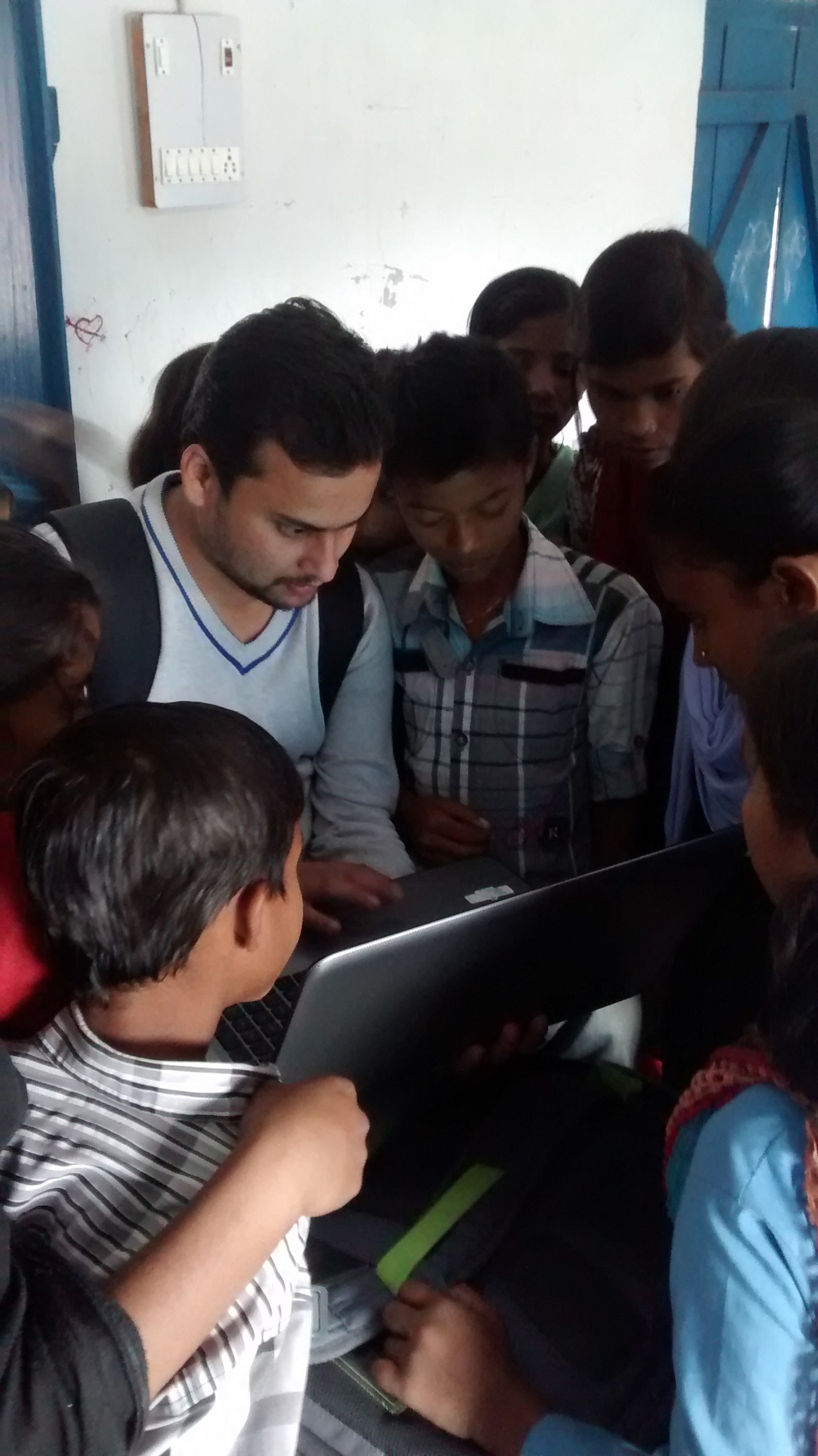
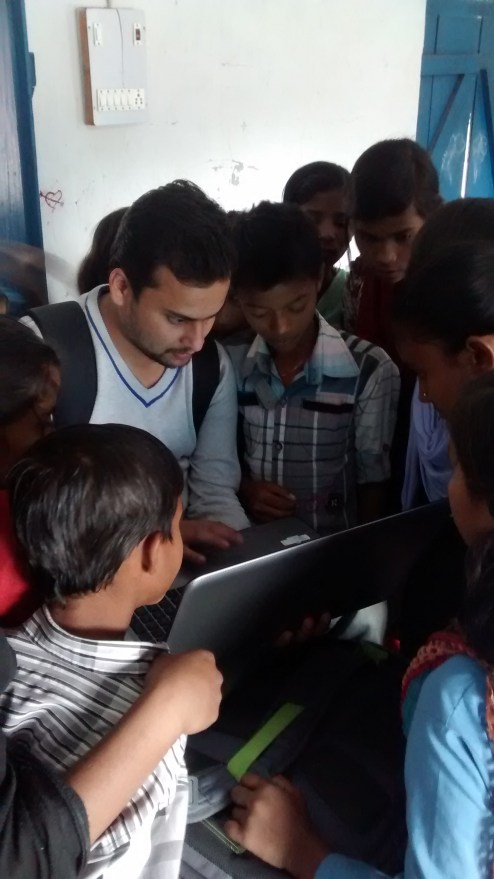
Thus came the third most part of my project – computers.
The perfect way through which these students can work on these stories are computers. By this way, the students will think that they are learning computers through the stories they are creating and working on. However, they are learning much more in terms of these skills. This is a teaching methodology used popularly by Randy Pausch – author of ‘The Last Lecture’. He described this teaching practice as “head fake” philosophy where the students think that they are learning one thing but they are actually learning something different as well. Things which they are not aware of.
Hence, the project “Kahanikaar Computer” is born. Under this project, I have proposed to setup a computer lab where the students will learn computers through stories. These stories will focus on providing these students not only computer skills but also skills which they will carry on for the rest of their lives.
PS: Please feel free to give your suggestions on the project!